
Vietnam’s apparel industry enters 2026 as a major global supplier with new pressure points. In 2024, Vietnam shipped about $34 billion in clothing, roughly 6.1% of global clothing exports, ranking third behind only China and Bangladesh, according to WTO textiles and clothing profile data cited in a 2026 Vietnam manufacturing guide. The same source reports total textile and garment export turnover of about $44 billion in 2024 (VietnamPlus, reporting VITAS data). That scale attracts global brands, but it also means tariff shifts and capacity constraints ripple quickly through merchandising calendars, costing models, and vendor selection.
US tariff policy is one of the biggest moving variables in the new sourcing map. A Global Textile Times report says the US began imposing a 20% tariff in August 2025 on a broad range of fashion and textile goods imported from Vietnam, after an earlier April 2025 proposal for a 46% reciprocal tariff was adjusted. The same report notes a February 2026 US Supreme Court ruling temporarily blocked the use of “reciprocal duties” under the International Emergency Economic Powers Act, followed by a temporary 10% import duty effective February 24 for a 150-day period under Section 122. Analysts cited in that report estimated an average tariff rate of 18–20% for Vietnamese goods, down from a previous 23–25%, but the uncertainty still changes how buyers structure commitments and price negotiations.
What The Post-Tariff Map Means for Orders, Margins, and Compliance
Trade friction is already visible in demand signals, margins, and negotiation behavior. Global Textile Times reports that from August to September 2025, Vietnamese footwear exports to the US declined by 27% and fashion and textile exports fell by 20% after tariff hikes. Vinatex adds that in the first five months of 2026, Vietnam remained the leading source of US apparel imports, accounting for approximately 22.2% of import value by market share. Vinatex also cites USFIA findings: 84.2% of fashion companies experienced lower profits, 73.7% faced higher sourcing costs, 57.9% increased selling prices, and 52.6% saw US sales decline, a backdrop that often drives brands to renegotiate unit prices, adjust volumes, extend payment terms, or shift orders.
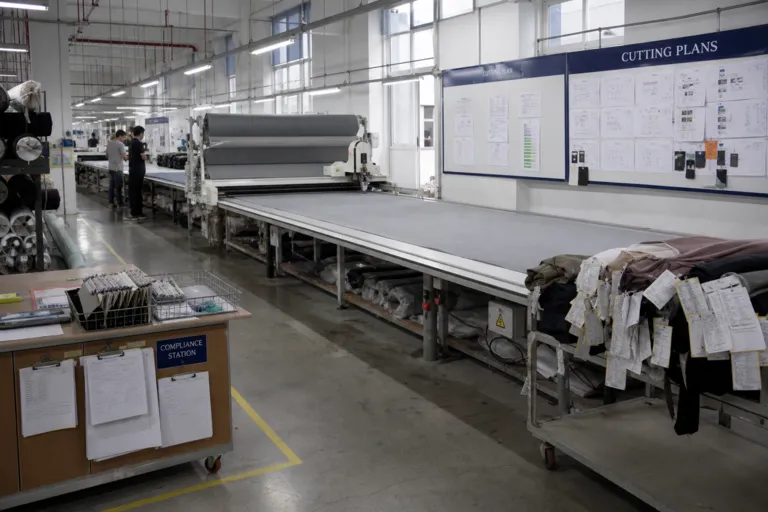
Factories are managing this environment while cost and capacity tighten. A Vietnam manufacturing guide reports Vietnam raised its regional minimum wage by an average 7.2% effective January 1, 2026 under Decree 293/2025/ND-CP, following a 6% rise in July 2024. The same guide says capacity at tier-1 plants is booked through Q3 2026 and that booking lead times run 14 to 18 weeks at tier-1 plants. MOQ expectations differ by tier: tier-2 MOQs start at 300–1,000 units, while tier-1 plants want 3,000+ units and annual commitments (OneAim 2026 factory survey). For a concrete pricing marker, the guide cites a 300 GSM fleece hoodie at 500 units landing $14–$18 FOB in tier-2 Ho Chi Minh pricing for spring-summer 2026.
The strategic response is shifting from volume-first to value and verification. DPS.MEDIA reports labor productivity in Vietnam’s garment sector maintains an average annual increase of 3.5%, linking gains to management skills and technology application, while also noting that rigid US tariff barriers and escalating input costs are squeezing margins. On the trade access side, the Vietnam manufacturing guide says the EU-Vietnam Free Trade Agreement phases most apparel tariffs to 0% by January 2026 if rules of origin are met, and that yarn-forward rules of origin apply (European Commission, 2024). Meanwhile, ALS Industry Insights warns that Vietnam-bound goods now face a 12.5% adder tied to Section 301 forced labor tariff action as of August 2026, emphasizing that success depends on real compliance rigor, supply chain transparency, and proactive risk management rather than relying on Vietnam as a frictionless alternative.
How important is Vietnam in global apparel exports?
What US tariff changes shaped the post-2025 sourcing environment for Vietnam-made apparel?
What capacity and lead-time realities should buyers plan for in Vietnam?
How are minimum order quantities different between tier-1 and tier-2 factories?
What should brands focus on when planning Vietnam apparel textile sourcing under tighter enforcement?