
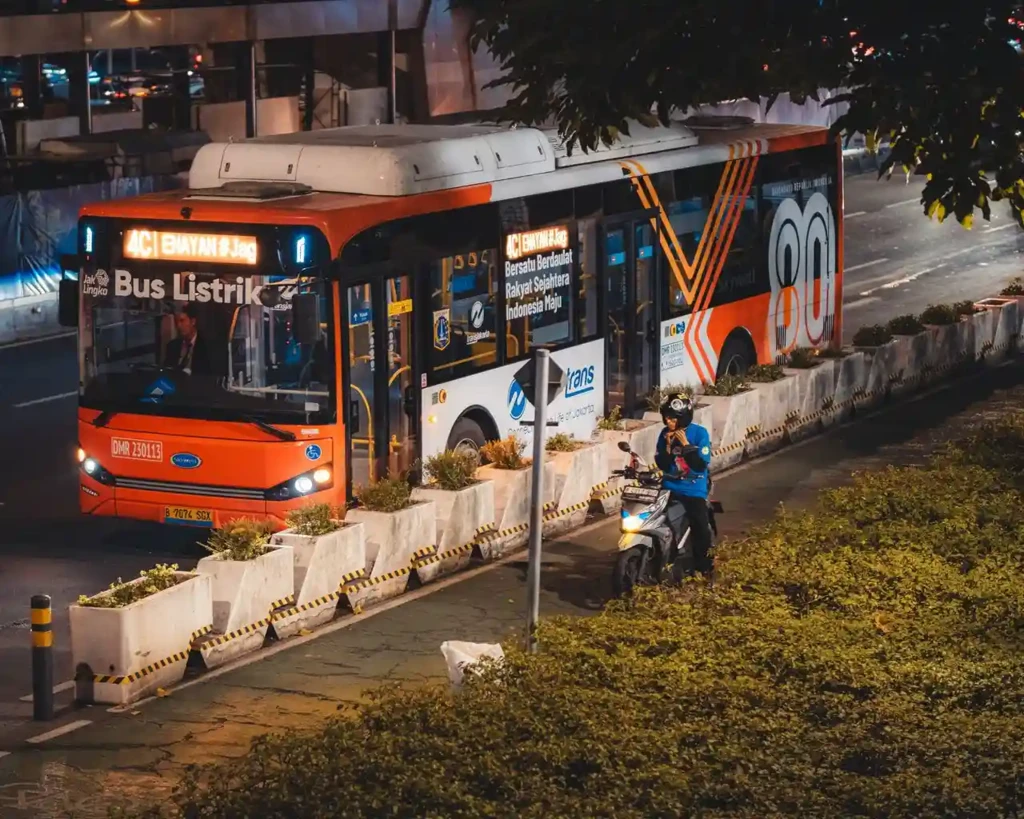
At ASEAN Market Research, we help transport operators, mobility providers, manufacturers, and investors navigate the rapid transformation of movement across Southeast Asia. Urbanisation, congestion, rising incomes, and an accelerating shift to electric and shared mobility are reshaping how people and goods move, from mass-transit expansion in Jakarta, Manila, Bangkok, and Ho Chi Minh City to the region’s fast-growing electric-vehicle and ride-hailing markets. We provide the evidence needed to align strategy with where demand, infrastructure, and policy are heading.
Our Principal Services for the Transport & Mobility Sector Include
- Infrastructure and Demand Assessment: We evaluate passenger and freight demand, infrastructure pipelines, and connectivity priorities across Southeast Asia’s major cities, industrial zones, ports, border crossings, and transport corridors. We help you understand how opportunities differ between established hubs such as Singapore and Malaysia, rapidly expanding urban markets such as Indonesia, Vietnam, Thailand, and the Philippines, and developing connectivity networks across Cambodia, Laos, and Myanmar.
- Electric Mobility Strategy: We assess the fast-growing electric-vehicle, electric two-wheeler, battery, and charging-infrastructure landscape across ASEAN. With Thailand developing its automotive and EV manufacturing base, Indonesia building around battery resources and domestic production, and Vietnam expanding electric-mobility adoption, we help you evaluate viable market models, customer demand, infrastructure requirements, local partnerships, and entry timing.
- Market Entry and Expansion: We help vehicle manufacturers, component suppliers, infrastructure companies, and mobility-service providers enter or expand across Southeast Asia. Our work considers country-level differences in market size, vehicle ownership, public-transport availability, regulation, local manufacturing, import structures, competitive intensity, and infrastructure readiness.
- Regulatory and Policy Analysis: We map the incentives, vehicle standards, local-content rules, licensing regimes, import requirements, emissions policies, and investment frameworks shaping transport and mobility opportunities across ASEAN. We help clients understand how policy direction, implementation, and enforcement vary between individual markets rather than relying on broad regional assumptions.
- Partnership and Distribution Strategy: We identify and evaluate local manufacturers, distributors, fleet operators, infrastructure partners, charging providers, technology companies, and public-sector stakeholders. Partner assessments consider local market access, customer relationships, operational capabilities, geographic reach, investment capacity, regulatory experience, and long-term strategic alignment.
- Competitive and Consumer Intelligence: We benchmark local, regional, and international competitors and analyse how consumers, businesses, fleet owners, and public institutions select and adopt mobility solutions. Our research can cover differences in affordability, financing, vehicle preferences, digital behaviour, service expectations, and willingness to adopt new technologies across ASEAN markets.
Southeast Asia’s transport and mobility sector is at an inflection point. Governments are investing in mass transit, expressways, ports, airports, rail networks, and cross-border connectivity to relieve congestion and support economic growth. At the same time, private demand is shifting toward electric two-wheelers and cars, ride-hailing, connected fleets, and shared mobility.
However, the direction and pace of change vary significantly across ASEAN. Singapore has a highly developed public-transport system and advanced policy environment. Thailand remains a major automotive manufacturing hub. Indonesia combines a large domestic market with battery and EV ambitions, while Vietnam is seeing rapid urban and electric-mobility development. The Philippines continues to address significant urban congestion and infrastructure needs. Malaysia, Cambodia, Laos, Myanmar, and other Southeast Asian markets present their own combinations of demand, policy, infrastructure, investment, and consumer conditions. Local evidence is therefore essential to transport strategy and investment decisions.
- Feasibility and Investment Studies: We assess the commercial viability of transport infrastructure, mobility services, fleet solutions, charging networks, logistics connections, and related investments across Southeast Asia. Our analysis considers demand, pricing, capital requirements, regulation, operating economics, competitive conditions, implementation requirements, and market-specific risks.
- Value Chain Analysis: We examine how value is created across vehicle manufacturing, components, batteries, charging infrastructure, fleet operations, digital platforms, maintenance, financing, and mobility services. This helps you identify where your organisation can compete within ASEAN’s evolving transport ecosystem and which capabilities or partnerships are required.
- Market Intelligence and Monitoring: We track policy changes, infrastructure programmes, competitor activity, investment, consumer adoption, technology development, and partnership announcements across key Southeast Asian markets. This helps your strategy remain aligned with developments in Indonesia, Thailand, Vietnam, Malaysia, Singapore, the Philippines, and other ASEAN countries.
ASEAN Market Research helps transport and mobility stakeholders turn a fast-moving regional landscape into clear, defensible strategy. Whether you are a manufacturer, operator, mobility provider, infrastructure company, technology supplier, or investor, we help you understand how demand, policy, infrastructure, competition, and consumer readiness differ across Indonesia, Thailand, Vietnam, the Philippines, Malaysia, Singapore, and other ASEAN markets, and determine where and how your organisation can create lasting value.
Our Sector Expertise in ASEAN
Construction
Assess the project pipelines, demand, procurement conditions, material costs, and competitive pressures that could shape your opportunities across Southeast Asia’s construction markets.

Healthcare
Understand the demand, capacity gaps, regulations, customer needs, and investment priorities shaping your strategy across ASEAN’s healthcare ecosystem.

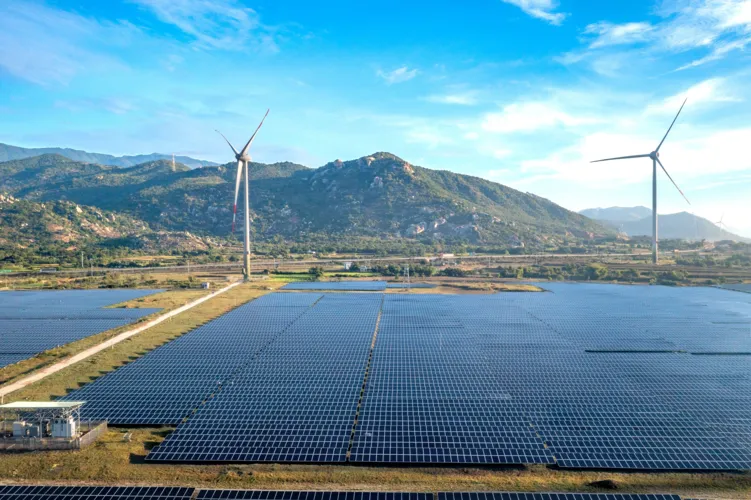
Energy
Evaluate the market structures, investment priorities, regulations, and evolving value chains that determine where your business can compete and create value.
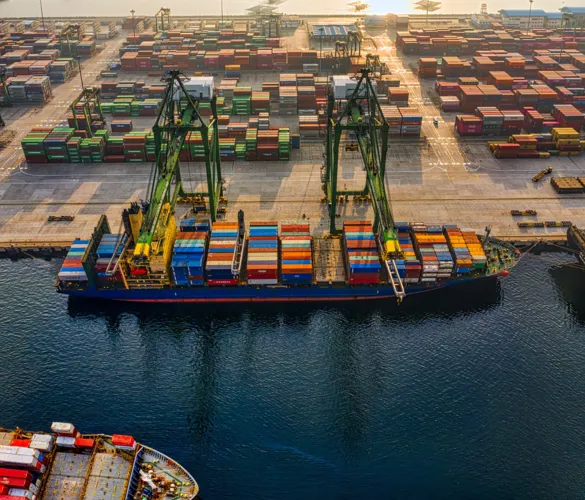
Supply Chain & Logistics
Evaluate the market structures, investment priorities, regulations, and evolving value chains that determine where your business can compete and create value.
Transport & Mobility
Assess the infrastructure priorities, passenger and freight demand, regulations, and partnership opportunities relevant to your transport and mobility strategy.
/ Contact Us
Turn Your Next Opportunity in Southeast Asia into a Clear Strategy
/ Follow Us