Johor, the southernmost state on the Malaysian peninsula, has shifted from its historical association with rubber and oil palm plantations to a modern reputation as one of the world’s fastest-growing data center markets. The state’s rise is repeatedly framed around its practical advantage: low-latency access to Singapore, the established focal point of Southeast Asia’s data center industry. A Data Center Dynamics analysis notes that Singapore had 1,072 MW of live capacity as of January, which it describes as approximately double Johor’s numbers, while emphasizing that Johor is the growth market. That contrast helps explain why developers and investors keep scanning south across the causeway for scalable expansion options.
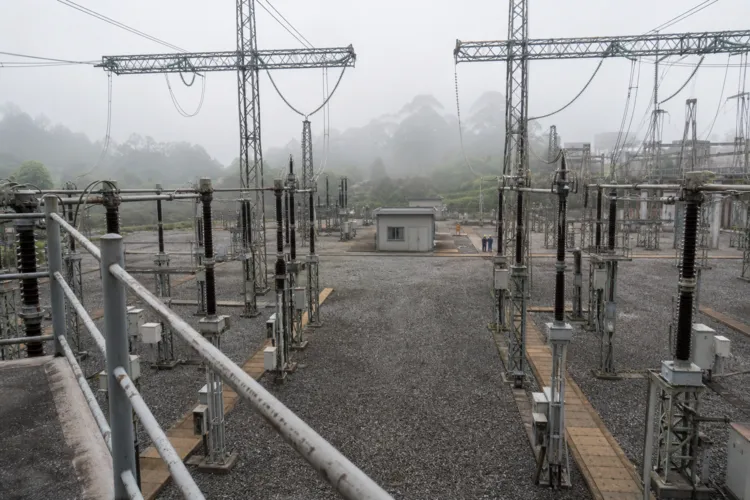
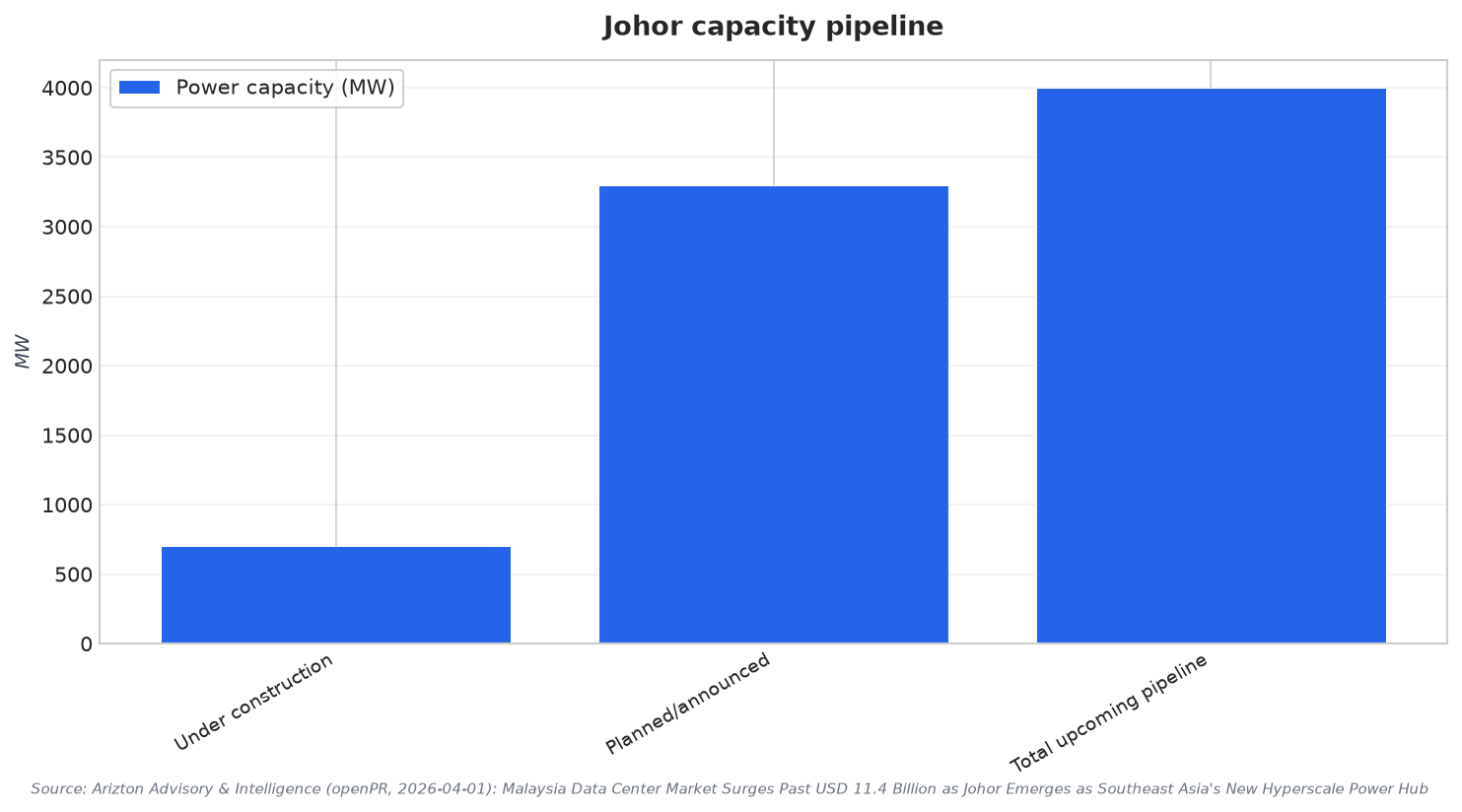
Several market updates point to power as the clearest signal of momentum. Arizton reported that as of November 2025, Johor’s pipeline stood at about 4.0 GW of upcoming power capacity. Within that, 700 MW was under construction and 3.3 GW was in planned or announced stages. This kind of split matters because it shows both near-term build activity and longer-term visibility for hyperscale expansion. In practical terms, the pipeline creates a planning runway for large compute deployments that need confidence in future capacity, not just today’s operational supply.
Why Johor’s Growth Looks Clustered, Not Random
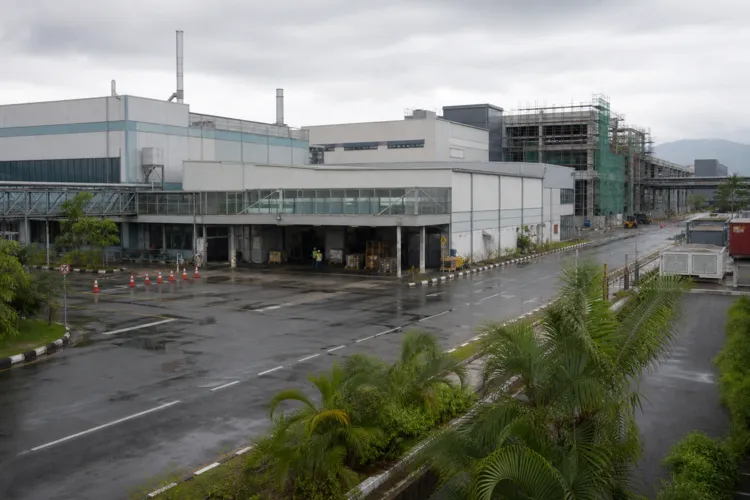
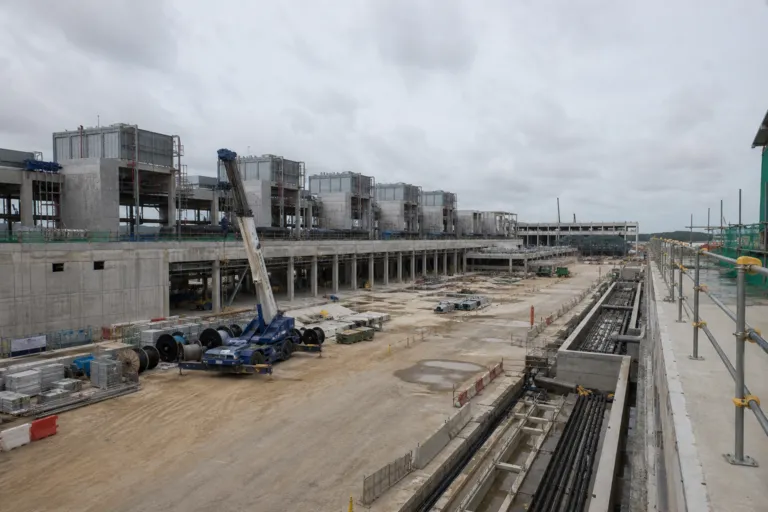
Johor’s expansion is also described as physically concentrated, which is a hallmark of a maturing market. Data Center Dynamics notes that Johor’s data centers are clustered around areas specifically designed for them, naming Nusajaya Tech Park as an example. This kind of co-location supports repeatable site development and shared infrastructure planning. At the same time, energy demand and grid attention are central to the conversation. Citing an ISEAS Yusof Ishak Institute report, Data Center Dynamics states that in 2024, data centers would have used 43% of the total capacity generated by Peninsular Malaysia’s sole electricity distributor, TNB, if all 38 facilities ran at full throttle, while noting actual utilization was substantially lower than that maximum threshold.
Malaysia’s broader digital infrastructure narrative adds more context for Johor’s appeal. Arizton’s release highlights strong regional connectivity, including 24 operational submarine cables and six additional planned, and points to cost-efficient land and energy as part of Malaysia’s long-term investment case. Separately, an IMARC Group summary valued the South East Asia data center market at USD 7.85 Billion in 2025 and projected USD 13.95 Billion by 2034, at a 6.60% CAGR during 2026–2034. In that framing, Singapore is described as the established hub, while Malaysia is positioned as a hyperscale challenger—an outlook that aligns with Johor’s rapid development pipeline.
For readers tracking the Johor Data Center Cluster as a practical build-and-operate destination, the story is less about hype and more about measurable project readiness and regional comparisons. InsightPulseHub characterizes Johor as a “1 GW+ hyperscale hub,” repeats the 4.0 GW pipeline, and claims costs are 22% below Singapore, while also noting Microsoft’s USD 236 million expansion for the Malaysia West Cloud Region in Johor, described as having three availability zones and an operational window of 2026–2027. Put together, these signals show why Johor is increasingly discussed as a place where Southeast Asia’s next wave of capacity can be planned, permitted, and scaled.
How large is Johor’s upcoming power capacity pipeline?
How does Singapore’s live capacity compare with Johor’s, according to Data Center Dynamics?
What indicates Johor’s growth is forming a true cluster rather than scattered sites?
What is the projected growth for the South East Asia data center market in the IMARC outlook?
What do the sources say about costs and investment signals around the Johor Data Center Cluster?