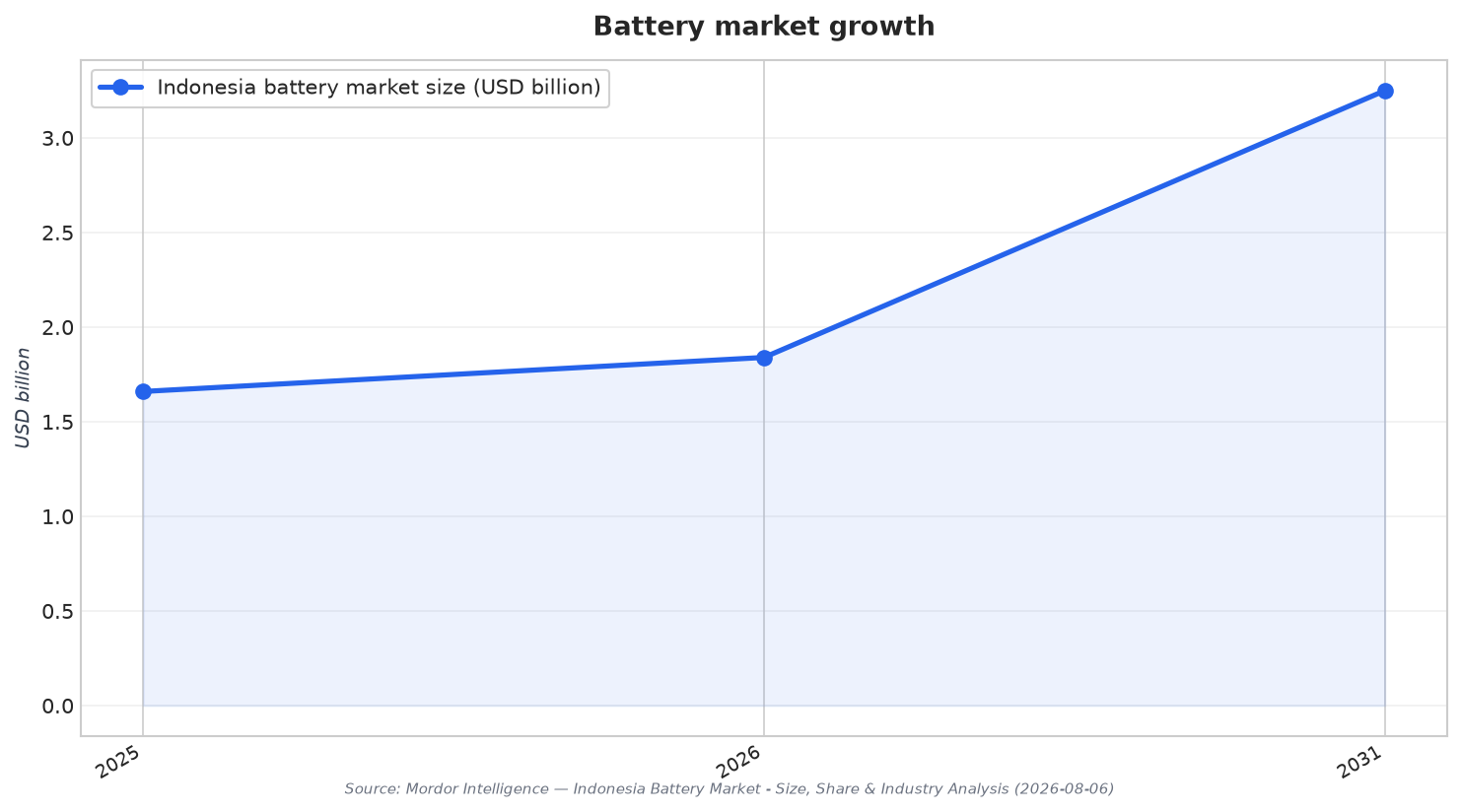
Indonesia is pushing deeper into battery manufacturing as global cell makers expand local footprints and link projects to the country’s nickel advantage. Mordor Intelligence values Indonesia’s battery market at USD 1.66 billion in 2025 and estimates growth from USD 1.84 billion in 2026 to USD 3.25 billion by 2031, a 12.06% CAGR for 2026–2031. The same source frames this as part of a shift from raw-ore exporting toward integrated cell production, underpinned by 55 million t of nickel reserves and a downstreaming policy environment. In 2025, secondary batteries represented 91.3% of market value, while lithium-ion held a 60.2% technology share, showing where near-term demand and investment attention is concentrated.
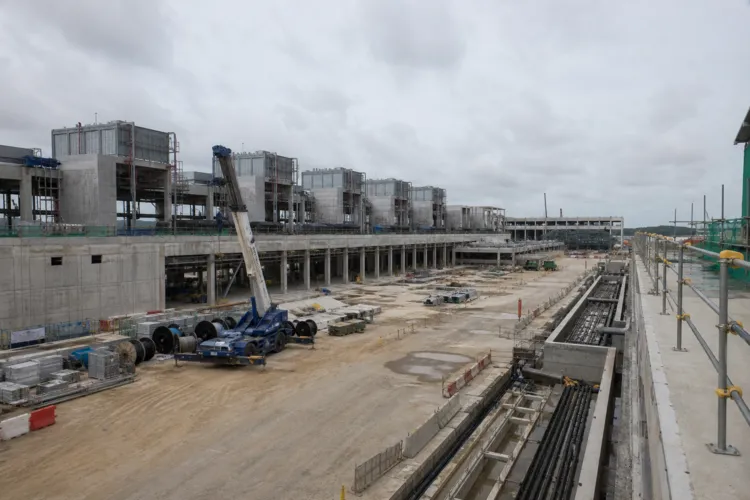
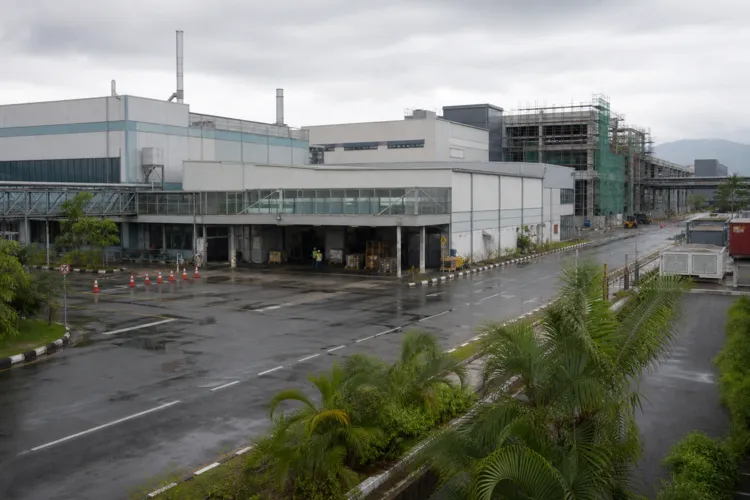
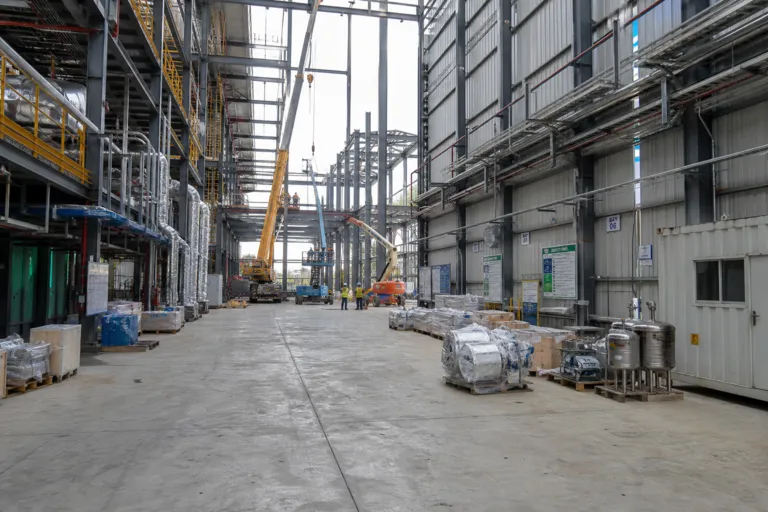
Recent projects help explain the momentum behind Indonesia Battery Cell Plants. A global market overview by Mordor Intelligence notes that Hyundai Motor and LG Energy Solution opened Indonesia’s first 10 GWh EV battery plant in June 2024, explicitly linking cell manufacturing to the nickel supply base. IMARC adds that South Korea’s LG Group announced an additional USD 1.7 billion investment in its West Java battery cell factory in April 2025, bringing total investment to USD 2.8 billion. IMARC describes the site as a joint venture with Hyundai Motor Group under HLI Green Power and states it has a 10 GWh capacity. Together, these details point to a buildout that prioritizes bankable scale and integration, not just pilot lines.
Why Karawang and West Java Are Becoming Cell-Manufacturing Anchors
Karawang keeps appearing in investment updates because it sits at the center of Indonesia’s downstream ambition and new manufacturing corridors. IMARC reports that in May 2025, CATL announced it was seeking a USD 1 billion investment to finance construction of a battery cell production plant in Karawang, West Java. Mordor Intelligence separately cites a CATL Karawang complex at USD 6 billion, illustrating how different reports describe the same strategic direction with different investment framing. IndexBox’s Southeast Asia battery outlook also names PT Hyundai LG Indonesia as operating a 10 GWh NMC plant in Karawang, and it adds that CATL’s Indonesian subsidiary has plans for 15 GWh of LFP by 2027. These overlapping statements show how Karawang is positioned as a focal point for both NMC and LFP strategies as supply chains localize.
Indonesia’s nickel position underwrites these manufacturing decisions, but also shapes risk and dependency. Mordor Intelligence reports Indonesia produced 2.2 million t of nickel in 2024, equal to 59% of global output, and says the 2020 ore-export ban expanded smelter count from 2 to 44 within eight years. The same source cites USD 32 billion in pledged battery-chain capital and notes Chinese groups finance 61% of nickel refining and most gigafactory projects. IndexBox adds that North Maluku and Central Sulawesi host 59% of the country’s mined nickel output, while its Southeast Asia report describes over 35 HPAL and RKEF plants producing MHP and nickel sulphate that feed into pCAM facilities built with Chinese and Korean partners.
Demand signals are also strengthening the business case for local cell output, especially in automotive and grid storage. Mordor Intelligence states Indonesia allocated IDR 7 trillion in subsidies, cut VAT from 11% to 1%, and waived import duties for qualifying models, with 2024 EV sales rising 73% year-over-year to 44,557 units. In its market segmentation, the same source says automotive held 37.6% of battery-market value in 2025 and is forecast at a 15.5% CAGR through 2031. On the stationary side, IndexBox estimates total installed advanced battery capacity at about 0.3–0.5 GWh as of early 2026 and expects annual deployments to accelerate from roughly 0.1–0.2 GWh/year in 2026 to 2–4 GWh/year by 2035. It also cites MEMR Regulation No. 11/2023, mandating battery storage for new solar PV plants above 1 MW, creating a captive demand channel that could add 0.5–1.0 GWh of annual procurement by 2028.
What is the reported scale of Indonesia’s early EV battery cell capacity?
Which new investments have been reported for cell manufacturing in West Java?
How do nickel policies connect to Indonesia’s cell-manufacturing push?
What is driving battery demand alongside EVs in Indonesia?
What do the latest market outlooks suggest for Indonesia Battery Cell Plants and the wider battery market?