In the Philippines, instant payments are no longer a niche feature. Bangko Sentral ng Pilipinas (BSP) data reported by the Inquirer show the value of InstaPay transactions jumped 57% year-on-year to ₱11.6 trillion in 2025, while volumes climbed nearly 231% to 4.7 billion. Over the same period, transactions conducted through InstaPay and PESONet topped ₱24 trillion by end-2025, underscoring how account-to-account rails are moving from occasional transfers to everyday banking behaviors. InstaPay is described as a real-time system for transactions of up to ₱50,000, used for retail purchases, toll and ticket payments, and e-commerce, supporting micro, small, and medium enterprises.
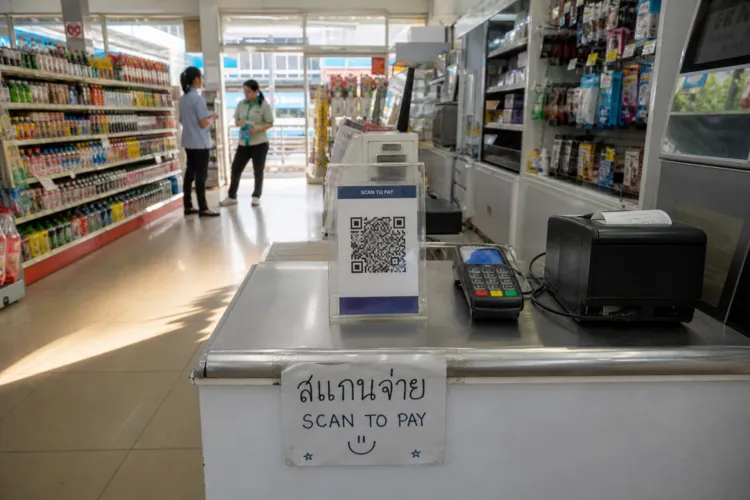
The momentum carried into 2026 as more consumers and businesses leaned into digital rails. Manila Bulletin reported that total transactions processed through the BSP’s clearing houses, PESONet and InstaPay, climbed 44.6% to ₱16.09 trillion during the first half, up from ₱11.13 trillion in the same period of 2025. The report linked the jump to a “dramatic spike” in transaction volumes as domestic banks and e-wallet providers aggressively slashed transfer fees, with a wave of interbank fee waivers involving major banks. For households, that combination of speed and lower friction changes habits: payments can shift from cash and ATM withdrawals to quick transfers and QR-based checkout routines.
Why Instant Rails Are Reshaping Daily Money Movement
Under the hood, multiple pieces are converging. NextMSC estimates the Philippines mobile payment market was valued at USD 2.20 billion in 2025 and is estimated at USD 3.47 billion in 2026, with QR code-based transactions dominating share, anchored by the national QR Ph interoperability standard and widespread e-wallet adoption. The same analysis points to expanding BSP-backed InstaPay and PESONet account-to-account rails and continued merchant onboarding across retail, remittance, and government payment channels. Separately, a digital payments market report cited a market size of USD 616.3 million in 2025, expected to reach USD 1,867.6 million by 2034, with a CAGR of 13.11% from 2026 to 2034, reflecting the broader runway for cashless behavior.
Access and interoperability also shape who benefits from the shift. IMARC describes Higala as a “financial superhighway” designed to connect thrift banks, rural banks, and microfinance institutions to instant payment networks. It notes that only 4.5% of the country’s 400 rural banks were subscribed to InstaPay due to high costs, positioning lower-cost connectivity as a lever for broader reach. Consumer-facing distribution is evolving too: IMARC reported that in February 2025, Rakuten Viber announced the upcoming launch of its digital wallet, Viber Pay, in the Philippines by the second quarter of 2025, enabling peer-to-peer and user-to-business payments and facilitating transfers from banks and e-wallets like GCash and Maya via InstaPay.
The everyday impact is clearest in retail payment behavior and inclusion gaps. Manila Bulletin reported digital payments hit 64.7% of Philippine retail transactions, nearing BSP’s 70% target, while also highlighting robust consumer usage of InstaPay, PESONet, and person-to-merchant QR Ph. Yet the cash economy remains significant: Market Data Forecast cited the World Bank’s Global Findex Database 2023, stating around 40% of Filipino adults remain unbanked, and BSP reporting that in 2023, cash-in-circulation still accounted for approximately 47% of total retail transactions by volume. As the Philippines InstaPay volume surge continues, expanding low-cost access for smaller institutions and maintaining trust will matter alongside convenience.
What changed in InstaPay usage in 2025?
How big were InstaPay and PESONet combined by end-2025?
What did BSP clearing house activity look like in the first half of 2026?
What is driving the Philippines’ InstaPay volume surge in everyday banking?
Are rural banks fully connected to InstaPay today?