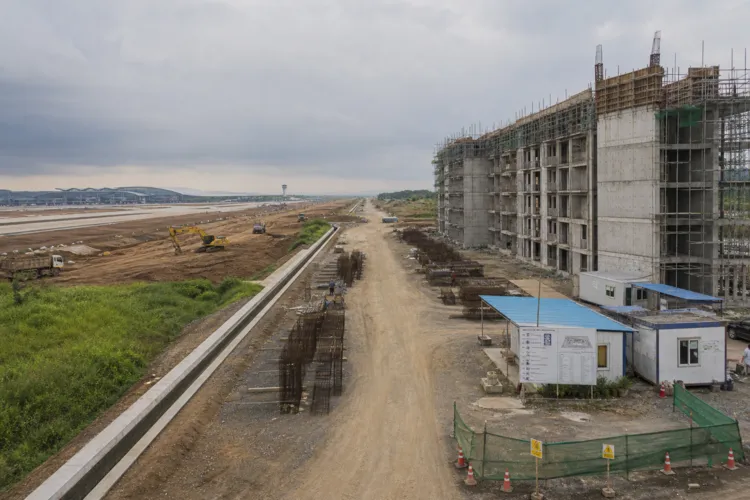
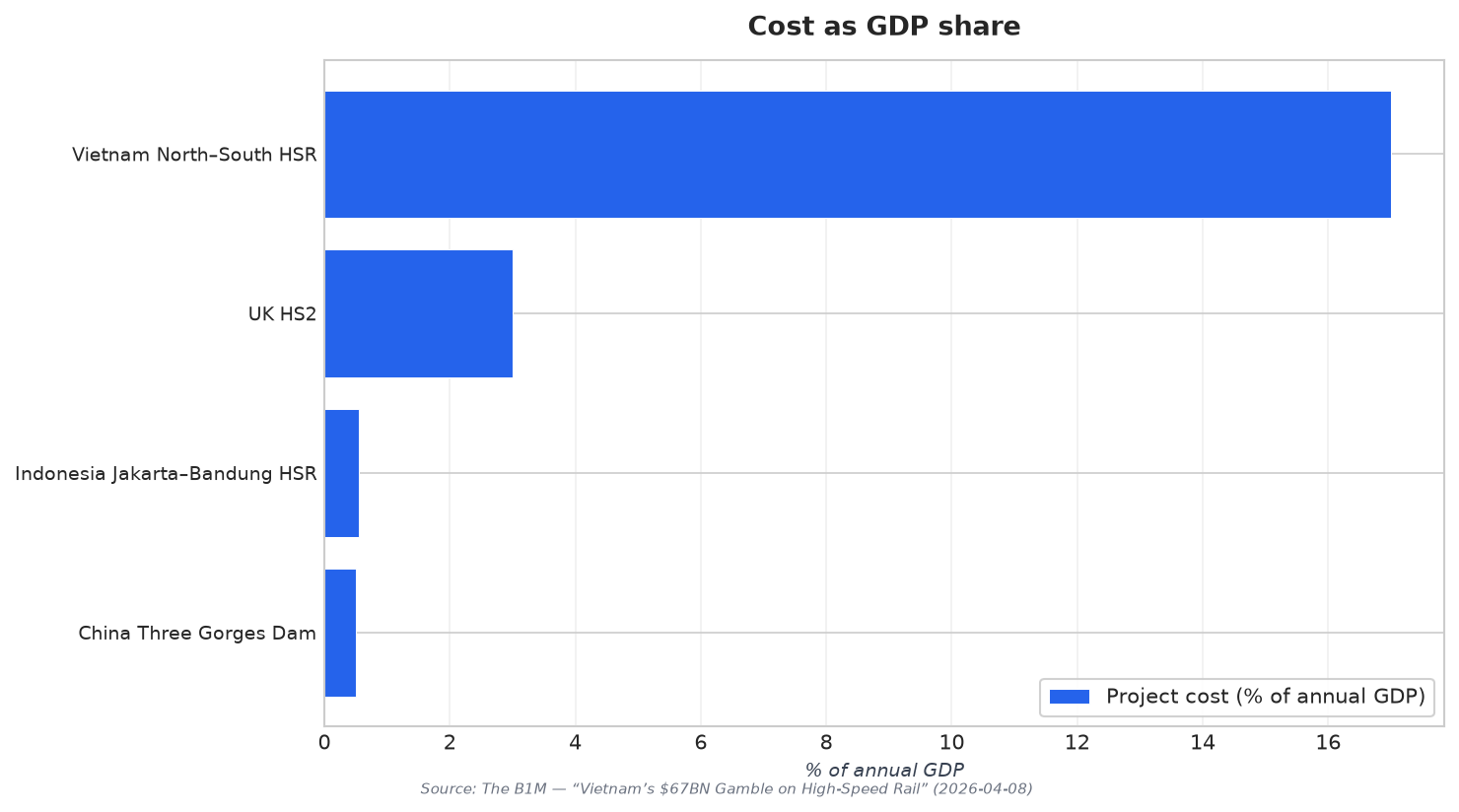
Vietnam’s long-planned North–South high-speed railway is being pitched as a national competitiveness move rather than simply a faster way to travel. The B1M describes it as a US$67 billion megaproject and says it equals 17% of Vietnam’s GDP, calling it the most expensive infrastructure project in the country’s history. The planned line is described as 1,541 kilometres long, running from Hanoi to Ho Chi Minh City. Dr Scott McDonald of RMIT University argues the stakes are structural, saying economic growth is being constrained by not having a good rail system in place.
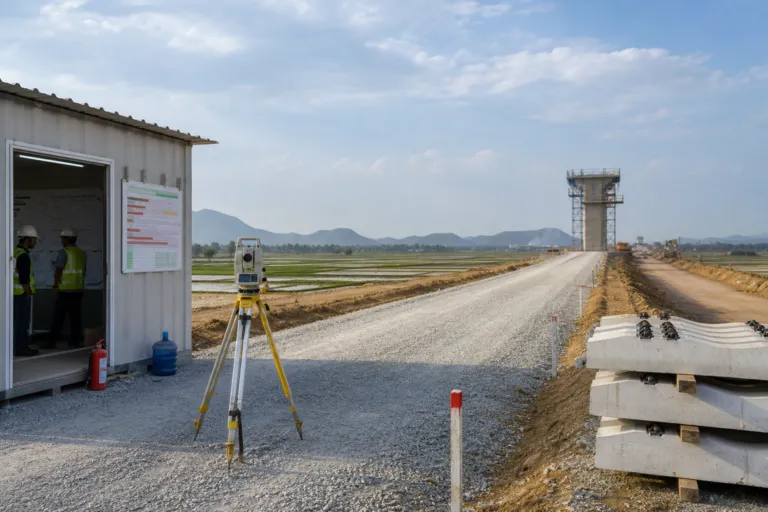
The schedule adds pressure. VietnamNet reports the project is expected to complete feasibility study procedures and break ground sometime between the fourth quarter of 2026 and the fourth quarter of 2028, with substantial completion expected by 2035. VietnamNet also outlines intermediate milestones: selection of consulting firms for the feasibility study is expected to begin in June 2026, and an interim feasibility study report is scheduled for completion by June 2027. Deputy Minister of Construction Bui Xuan Dung is quoted saying the railway is expected to reshape Vietnam’s socio-economic development space, shorten geographical distances, and create new growth momentum.
Financing Models: PPP, State Loans, and Private Demands
The financing debate is as consequential as the engineering. The Business Times reports a draft National Assembly resolution that would allow up to 80% state-capital participation under a PPP model. For a fully private investment model, the same draft would allow the government to lend up to 80% of the project’s approved cost using state Budget funds, at a minimum interest rate of zero percent. Yet private bidders have pushed for unusually large state-backed support: some proposed investing their own capital while borrowing the rest—80% of project costs—from the state Budget or credit institutions under government loan guarantees.
Regulators have warned the structure could shift major liabilities onto the state. The Business Times says the Ministry of Construction cautioned that government exposure could include covering interest payments and absorbing default risks tied to the large loans private investors want. Thaco proposed sourcing 80% of funding through domestic and foreign credit-institution loans backed by government guarantees, plus full-interest subsidies over a 30-year loan period. VinSpeed said it would participate only if the state Budget provides a 30-year loan at zero interest covering 80% of project costs. The same document notes that no country has built a high-speed rail of this scale purely with private money, and that large state support and incentives are always required.
Policy makers also appear wary of heavy overseas borrowing. Bloomberg reports Vietnam wants to rely as much as possible on its own budget, and suggests this caution is informed by “debt holes” other countries have fallen into by borrowing heavily overseas. Still, Bloomberg adds analysts think Vietnam appears open to commercial financing and will likely have to look offshore. Another account, citing an announcement tied to the National Assembly, says Vietnam plans to finance the megaproject primarily through domestic sources such as state budget allocations, government bonds, and domestic low-interest loans. At the delivery layer, project spillovers can also strain the wider market: a consulting-market note reports public investment disbursement reached VND 553.25 trillion (60.6% of the 2025 plan) by end-December 2025, and says consultants may face payment delays of 90 to 180 days beyond contractual terms.
How long is the Vietnam high-speed rail project and which cities does it connect?
When could construction start and when is completion expected?
What funding role could the state play under the draft mechanisms?
What risks have regulators flagged around private financing proposals?