
Cambodia’s garment, footwear, and travel goods (GFT) industry is changing its pitch to global buyers. At the Cambodia Textile Summit 2026, industry leaders warned the sector cannot rely on low wages as its core advantage as Cambodia approaches graduation from Least Developed Country (LDC) status and faces stronger competition across Asia. In 2025, the GFT sector generated about $16.2 billion in exports, more than half of Cambodia’s total, after growing 16.5% year on year. Stakeholders at the summit, convened by EuroCham Cambodia and co-hosted by TAFTAC, the ILO, Better Factories Cambodia (BFC) and GIZ, stressed skills, sustainability, innovation, and domestic supply-chain capacity as the new basis for competitiveness.
Export data in 2026 suggests Cambodia is gaining orders even while some markets soften. Cambodia exported nearly $7 billion of garments and clothing accessories during January–July 2026, up almost 8% year on year, and garments accounted for roughly one-third of total exports in that period. In the first half of 2026, the broader garment, textile, footwear, and travel-goods sector reached $7.99 billion, up 6.2% from $7.52 billion a year earlier. For buyers, this matters because US demand weakened: US apparel imports fell 7.7% year on year to $35.08 billion in January–June 2026, yet shipments from Cambodia increased 12.6% to $2.13 billion. That contrast helps explain why sourcing decisions are being revisited.
From Basic Knitwear to Higher-Value Categories
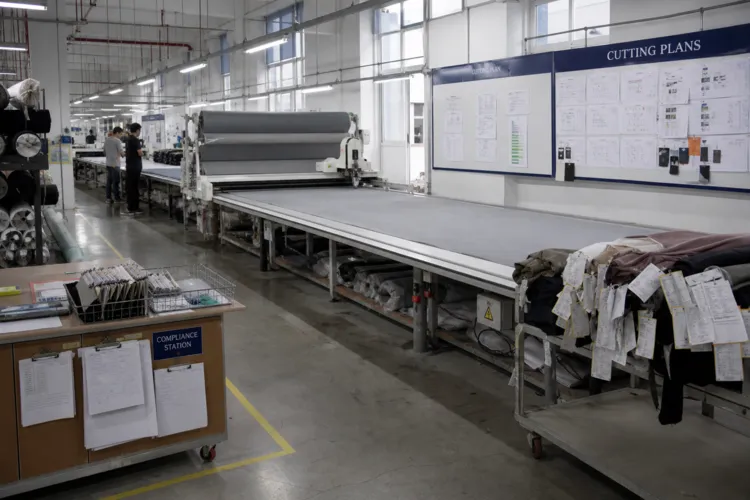
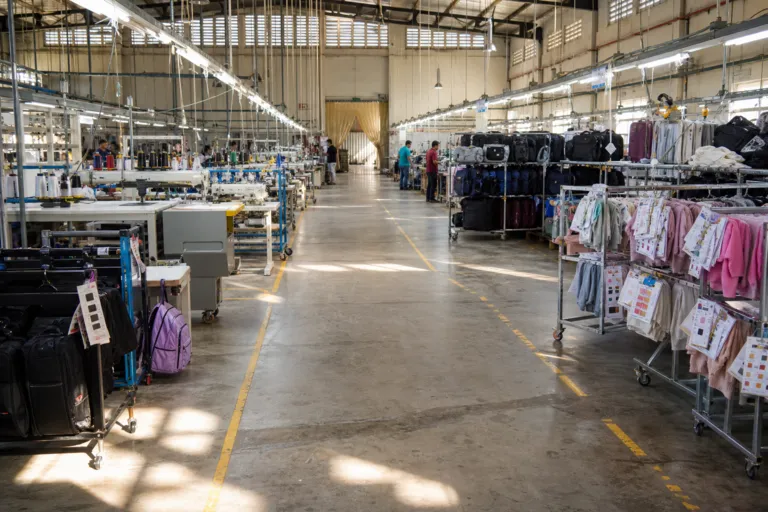
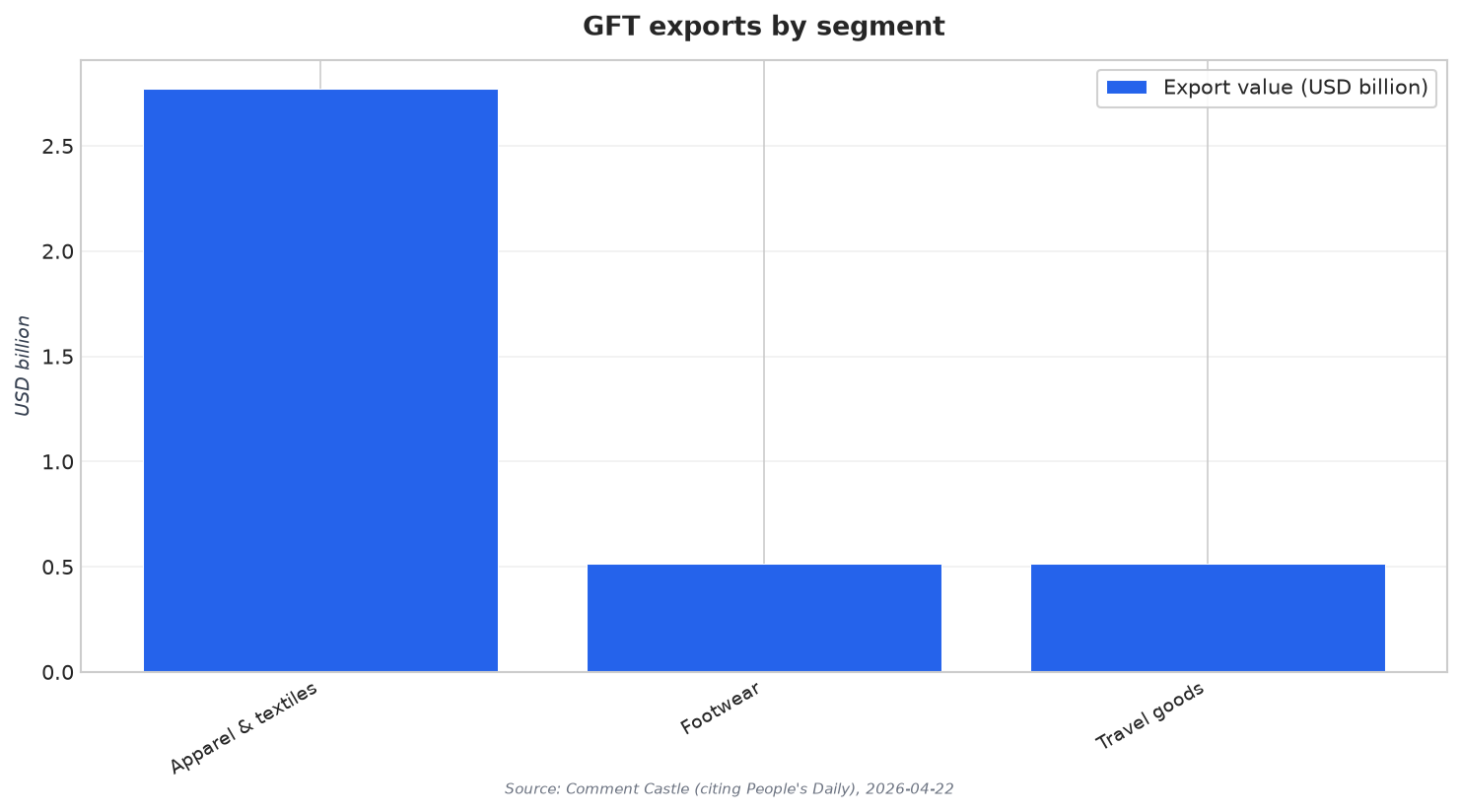
The shift is also about what Cambodia makes. Industry reporting describes factories moving beyond basic garments toward more complex, higher-value items such as outerwear, travel goods, and specialized activewear, supported by advanced production techniques that can handle more sophisticated orders. This Cambodia garment sector diversification push is reinforced by category-level performance. In the first quarter of 2026, apparel and textiles reached $2.77 billion and grew 7.6%, while footwear rose 11.8% to $516 million. Travel goods increased 4.2% to $513 million. The same reporting links “market diversification” to integration into the RCEP supply chain, citing a 15–20% improvement in logistics efficiency for sourcing materials such as fabrics, adhesives, and hardware from China.
Scale and standards are rising in parallel. TAFTAC said it passed 1,000 member factories in May 2026, and Cambodia now counts around 1,867 factories, including about 900 export-focused sites. The workforce is more than 1.1 million workers, with 72.5% women, according to TAFTAC; the ILO separately estimated roughly 1.2 million to 1.3 million workers, around 78% women, and said the sector indirectly sustains two to three million livelihoods. Policy is also steering the upgrade cycle through the Cambodia Garment, Footwear and Travel Goods Sector Development Strategy 2022–2027, which focuses on human resource development, working conditions, and sustainable manufacturing practices such as energy-efficient technologies and waste reduction protocols demanded by global brands.
What comes next is less about a single metric and more about resilience. Leaders at the 2026 summit pointed to supply-chain disruption, higher logistics and energy costs, stricter sustainability requirements, and shifting trade agreements as factors changing how brands assess sourcing countries. Cambodia’s participation in trade frameworks such as the Regional Comprehensive Economic Partnership (RCEP) and the Cambodia–China Free Trade Agreement (CCFTA) is described as expanding access to raw materials and improving competitiveness through preferential tariffs. At the same time, Cambodia still relies heavily on imported yarns, fabrics, and other inputs, and industry commentary argues the strategic challenge is to convert rising orders into more domestic value addition through spinning, weaving, knitting, dyeing, and finishing.
What is driving buyers to rethink sourcing toward Cambodia?
How is Cambodia moving beyond basic garments?
What do the latest export numbers say about momentum in 2026?
How large is the sector’s factory base and workforce?
What does Cambodia garment sector diversification mean in practice?