Malaysia is positioning 2026 as a breakout tourism year, building on a post‑pandemic rebound that put it among ASEAN’s top destinations. ASEAN tourism statistics for 2024 placed Malaysia second only to Thailand in overall visitor volumes, and estimates compiled from ASEAN and national tourism reports put Malaysia at around 25 million international tourists in 2024—roughly one fifth of total arrivals across the 10‑member bloc. Policy and promotional materials tied to Visit Malaysia 2026 frame the campaign around sustainable and inclusive tourism, with festivals, sporting events, and business gatherings across all states. Planning documents discussed in regional outlooks point to an ambition to move well beyond the roughly 26 million arrivals recorded in 2019.
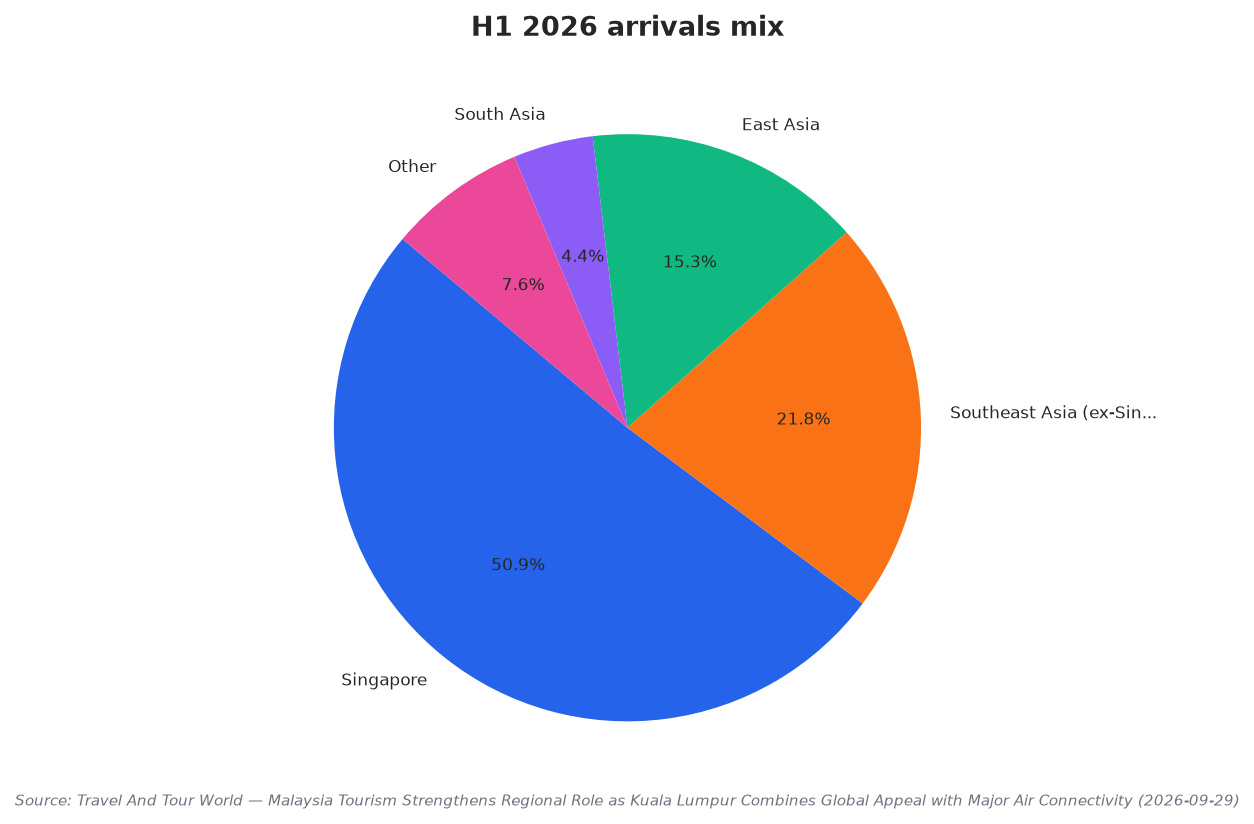
The 2026 run‑rate underscores why Malaysia is leaning hard into easier entry and smoother travel. Between January and June 2026, Malaysia recorded 21,118,039 international arrivals, a 2.5% increase compared with the same period in 2025, and described as a 120.4% recovery rate against the 2019 pre‑pandemic baseline. Source-market concentration is clear. Singapore accounted for 10.74 million arrivals in the first half of 2026, equal to a 50.9% share. The broader Southeast Asian region contributed 72.7% of total arrivals, while East Asia accounted for 15.3% and South Asia contributed 4.4%. These shares highlight a race for short‑haul and intra‑ASEAN mobility rather than reliance on long‑haul demand.
Visa Policy Becomes the Competitive Edge in 2026
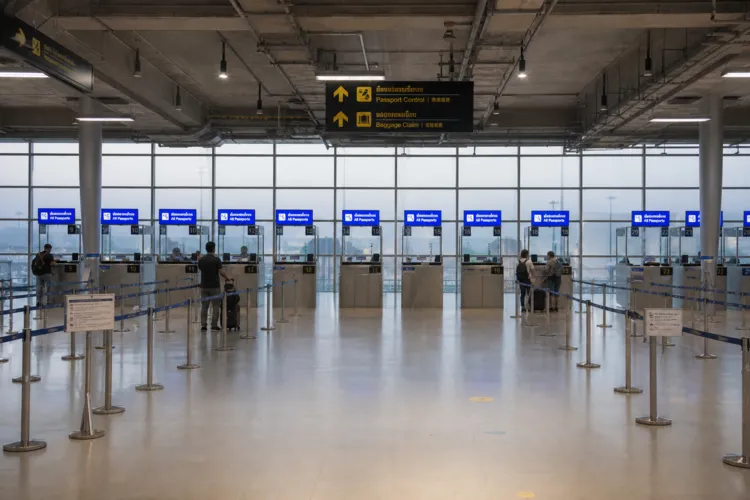
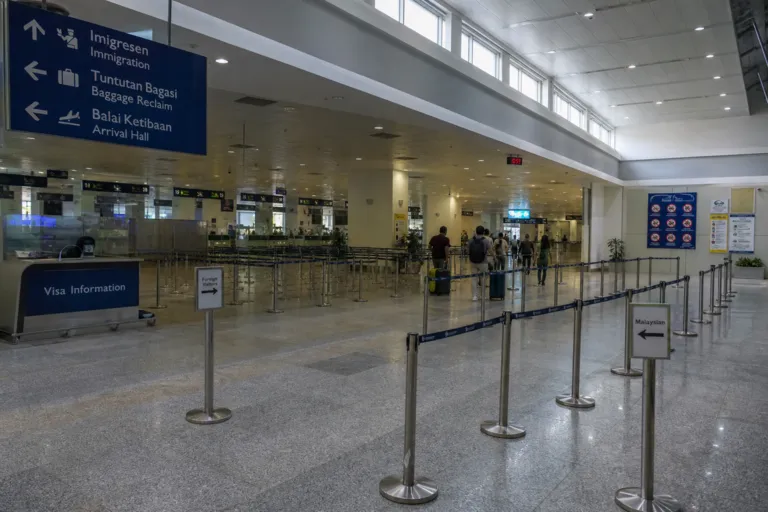
Within that race, Malaysia’s visa facilitation has become a headline tactic—and it is the core of the Malaysia Tourism Visa Expansion narrative in 2026. Malaysian immigration authorities officially extended visa‑free entry for citizens of China and India until 31 December 2026. Another account of the tourism surge ties early‑year performance to visa liberalisation and expanded air connectivity, stating that ongoing visa‑free travel for Indian citizens and Chinese nationals reduced barriers that had previously limited inflows. The same reporting notes that February 2026, aligned with the Chinese New Year period, was Malaysia’s single highest‑trafficked month on record, surpassing three million arrivals. In practical terms, the policy aims to protect Malaysia’s share of fast‑moving regional traffic as neighbors also compete for the same travelers.
The contest is not happening in isolation. Regional reporting highlights Vietnam’s surge through visa reforms, including over 19.1 million international visitors in 2025 and 12.25 million arrivals in the first six months of 2026, up 14.9% year‑on‑year. Another regional summary cites Vietnam welcoming 15.91 million international visitors between January and August 2026, a 14.4% expansion over the same period in 2025. Against that backdrop, Malaysia is emphasizing coordination and scale. One report describes Malaysia pushing past the 42 million visitor mark, while another places national goals inside the Visit Malaysia 2026 framework, projecting 47 million arrivals by year‑end and an economic injection of RM329 billion. Together, the message is that entry rules, air access, and regional packaging are becoming the levers that determine who wins incremental arrivals.
Market expectations also show why Malaysia is treating 2026 as a platform year rather than a one‑off celebration. A market forecast values the Malaysia Tourism Market at $28.6 Billion in 2026 and projects $60.59 Billion by 2035, expanding at an 8.70% CAGR over the period. The same source points to gateway concentration in Kuala Lumpur and Penang and notes cruise-related capacity developments, including deep‑water berthing infrastructure at Swettenham Pier enabling 5,000‑passenger vessel handling. It also flags supply constraints in eco‑tourism, where the Department of Wildlife and National Parks enforces strict visitor quotas at sites such as Bako National Park and Kinabatangan. As Malaysia competes for regional visitors, it is balancing volume-led growth with infrastructure, product diversity, and limits that shape how far arrivals can scale.
What visa changes are shaping Malaysia’s 2026 tourism push?
How many international arrivals did Malaysia record in the first half of 2026?
Which source market dominates Malaysia’s inbound tourism in 2026?
What are the Visit Malaysia 2026 goals cited in reporting?
Why does the Malaysia Tourism Visa Expansion matter in the regional race for visitors?