
GLP-1 has moved from a diabetes-first category into a wider conversation about appetite, satiety, and weight management. Globally, the GLP-1 market was valued at USD 52.82 billion in 2025, with a projected 10.9% CAGR during 2026–2034, driven by expanding applications beyond diabetes into obesity and cardiovascular diseases. For Southeast Asia, the direction of travel matters as much as the totals. Asia Pacific is projected to record the highest growth rate during the forecast period in the global GLP-1 industry, reflecting rising lifestyle-related disease burden and improving healthcare access across the region.
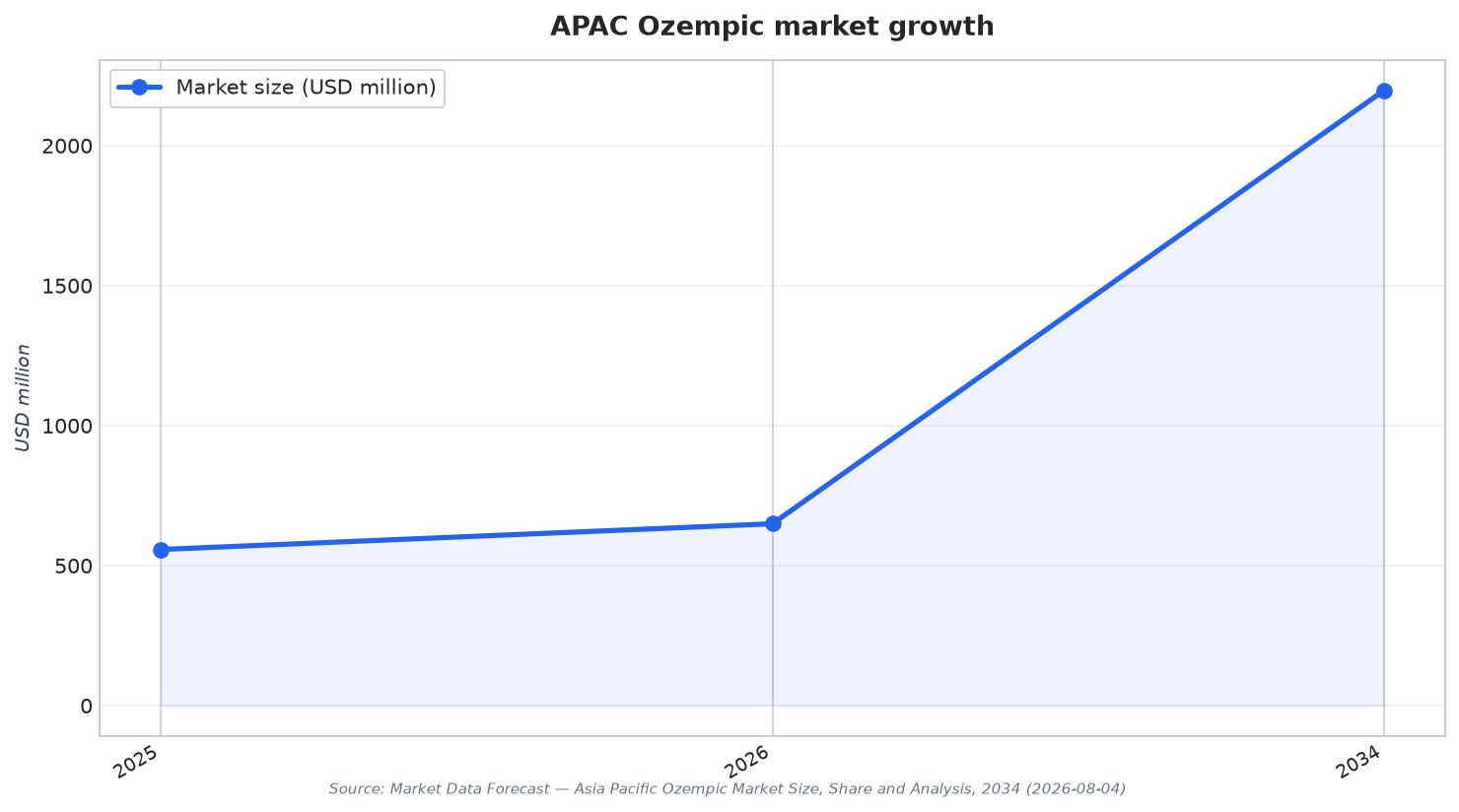
One practical signal for Southeast Asia’s health market is how quickly GLP-1-linked brands and supply chains can scale once a product gains a foothold. In the Asia Pacific Ozempic market, the market size was valued at USD 557.56 million in 2025 and is expected to reach USD 2,196.49 million by 2034, with a 16.45% CAGR for 2026–2034. The same source highlights that Ozempic’s regulatory footprint in APAC remains limited to high-income countries such as Japan, South Korea, Australia, and Singapore, with approvals in China and India described as pending or restricted. This uneven access pattern shapes how demand may show up across Southeast Asia: through cross-border care pathways, premium private channels, and alternative metabolic-health offerings.
Why GLP-1 Demand Is Expanding Beyond Prescriptions
The commercial opportunity is not limited to pharmaceuticals. The global GLP-1 nutraceutical & metabolic supplement market was valued at $3.8 billion in 2025 and is projected to reach $18.9 billion by 2034, expanding at a CAGR of 18.2% over 2026–2034. This growth is tied to “pharmaceutical awareness” spilling into preventive wellness behavior, and to consumers seeking non-prescription approaches that support similar physiological pathways. The same report estimates that over 280 million individuals globally in 2025 began actively seeking accessible, affordable, and non-prescription alternatives. It also states that in 2025, over 1,400 new SKUs with GLP-1-adjacent or metabolic-health positioning were introduced globally, with the figure expected to more than double by 2027.
For Southeast Asia-based brands, this creates a new playbook: build around metabolic outcomes, distribution reach, and credible ingredient narratives rather than relying only on direct drug availability. The nutraceutical report points to formulations using berberine, inositol, resistant starch, short-chain fatty acids, specific probiotic strains, and botanical extracts such as Gymnema sylvestre and bitter melon. It also cites clinical studies published between 2022 and 2025 indicating that berberine supplementation at doses of 1,000 to 1,500 mg per day could meaningfully improve fasting glucose, HbA1c, and body weight over 12–16 week periods. Meanwhile, the broader GLP-1 drugs market remains constrained by “high cost” and affordability challenges, which can further push demand toward lower-barrier wellness products.
Even when looking beyond Southeast Asia, the global market structure hints at where growth pressure will land. One forecast projects the GLP-1 drugs market to grow from USD 58.05 billion in 2026 to USD 132.79 billion by 2035, and reports North America held a 64% share in 2025, while Asia Pacific is expected to be the fastest-growing from 2025–2035. Another source positions Asia-Pacific at about 15% of global share in the GLP-1 drug market. Together, these signals suggest that as the Southeast Asia GLP-1 weight loss market evolves, winners may be the players that connect clinical demand, regulation-aware access strategies, and fast-moving “GLP-1-adjacent” consumer products into one coherent offering.
What do the sources suggest about growth momentum relevant to Southeast Asia’s GLP-1 weight loss market?
How big is the Asia Pacific Ozempic market in the sources?
What is the global size of the GLP-1 market cited in the sources?
What is driving growth in GLP-1-adjacent supplements, according to the sources?
What constraint on GLP-1 drugs is explicitly mentioned in the sources?