
Southeast Asia is emerging as the primary beneficiary of a global rethink of manufacturing footprints. As multinationals pursue "China +1" strategies to reduce concentration risk, ASEAN has captured a rising share of relocated production and the investment that follows it. Foreign direct investment into the region rose about 8% to roughly USD 226 billion even as global FDI declined, according to UNCTAD's ASEAN Investment Report — a striking outperformance that reflects the region's competitive positioning in electronics manufacturing, electric-vehicle production, and digital services. More recent momentum has been even stronger, with the broader ASEAN+3 grouping attracting USD 341.5 billion in FDI inflows in the first three quarters of 2025, up nearly 24% year on year.
The investment is not evenly distributed. Singapore continues to lead, drawing around USD 143 billion in FDI in 2024 as a regional headquarters and high-value hub, while Indonesia and Vietnam attracted roughly USD 24 billion and USD 20 billion respectively as manufacturing destinations. Each market offers a different value proposition: Vietnam's electronics and export-manufacturing strength, Indonesia's scale and resource base, Malaysia's semiconductor and data-centre ecosystem, and Thailand's established automotive and industrial base. For companies reconfiguring their supply chains, the question is no longer whether to consider ASEAN, but which markets and combinations best fit their products, cost structures, and customer geographies.
Diversification Is a Supply-Chain Design Challenge, Not Just a Location Choice
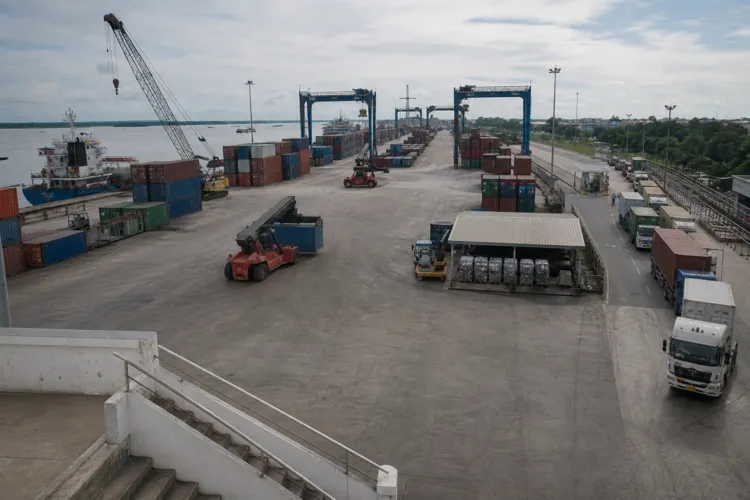
Relocating or diversifying production into Southeast Asia is more complex than selecting a lower-cost country. It requires redesigning inbound and outbound logistics, qualifying new suppliers, navigating differing customs and local-content regimes, and building the workforce and infrastructure to support new capacity. Landed costs, supplier maturity, and logistics reliability vary considerably across markets and corridors. The firms that succeed treat diversification as an end-to-end supply-chain design problem — assessing not only labour and incentives, but the full value chain from sourcing to delivery.
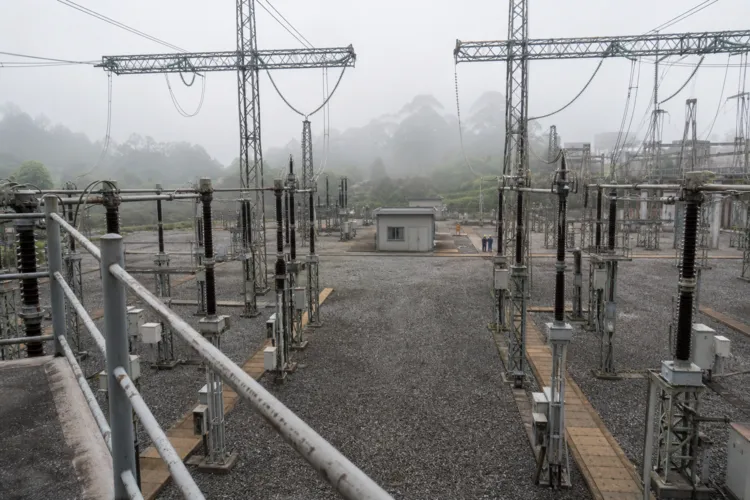
This reconfiguration is also creating opportunities well beyond manufacturers themselves. Industrial developers, logistics providers, equipment suppliers, and service firms are all being drawn into the region's expanding industrial base. At the same time, the concentration of investment raises questions about infrastructure capacity, power availability, and talent — pressures that will shape which markets can absorb continued growth. Understanding these dynamics, market by market, is essential to making sound location and network decisions.
Read also: Southeast Asia's EV Market Shifts Into the Fast Lane as Indonesia and Vietnam Scale Up
The diversification of global supply chains toward Southeast Asia looks set to continue as geopolitical and commercial pressures persist. For manufacturers, investors, and service providers, the opportunity is significant — but it rewards those who pair regional ambition with rigorous, market-specific analysis of cost, capability, and risk.
Frequently Asked Questions
How much FDI is Southeast Asia attracting?
UNCTAD's ASEAN Investment Report noted FDI into the region rose about 8% to roughly USD 226 billion even as global FDI fell; ASEAN+3 attracted USD 341.5 billion in the first three quarters of 2025, up nearly 24% year on year.
Why are manufacturers diversifying into ASEAN?
Companies are pursuing "China +1" strategies to reduce concentration risk, drawn by ASEAN's competitive positioning in electronics, EV production, and digital services.
Which ASEAN markets are attracting the most investment?
Singapore led with around USD 143 billion in FDI in 2024, followed by Indonesia (about USD 24 billion) and Vietnam (about USD 20 billion), each with distinct value propositions.
What makes supply-chain diversification challenging?
It requires redesigning logistics, qualifying new suppliers, navigating differing customs and local-content rules, and building workforce and infrastructure — not just choosing a lower-cost location.
What opportunities does the shift create beyond manufacturing?
Industrial developers, logistics providers, equipment suppliers, and service firms all benefit from the region's expanding industrial base and rising investment.