
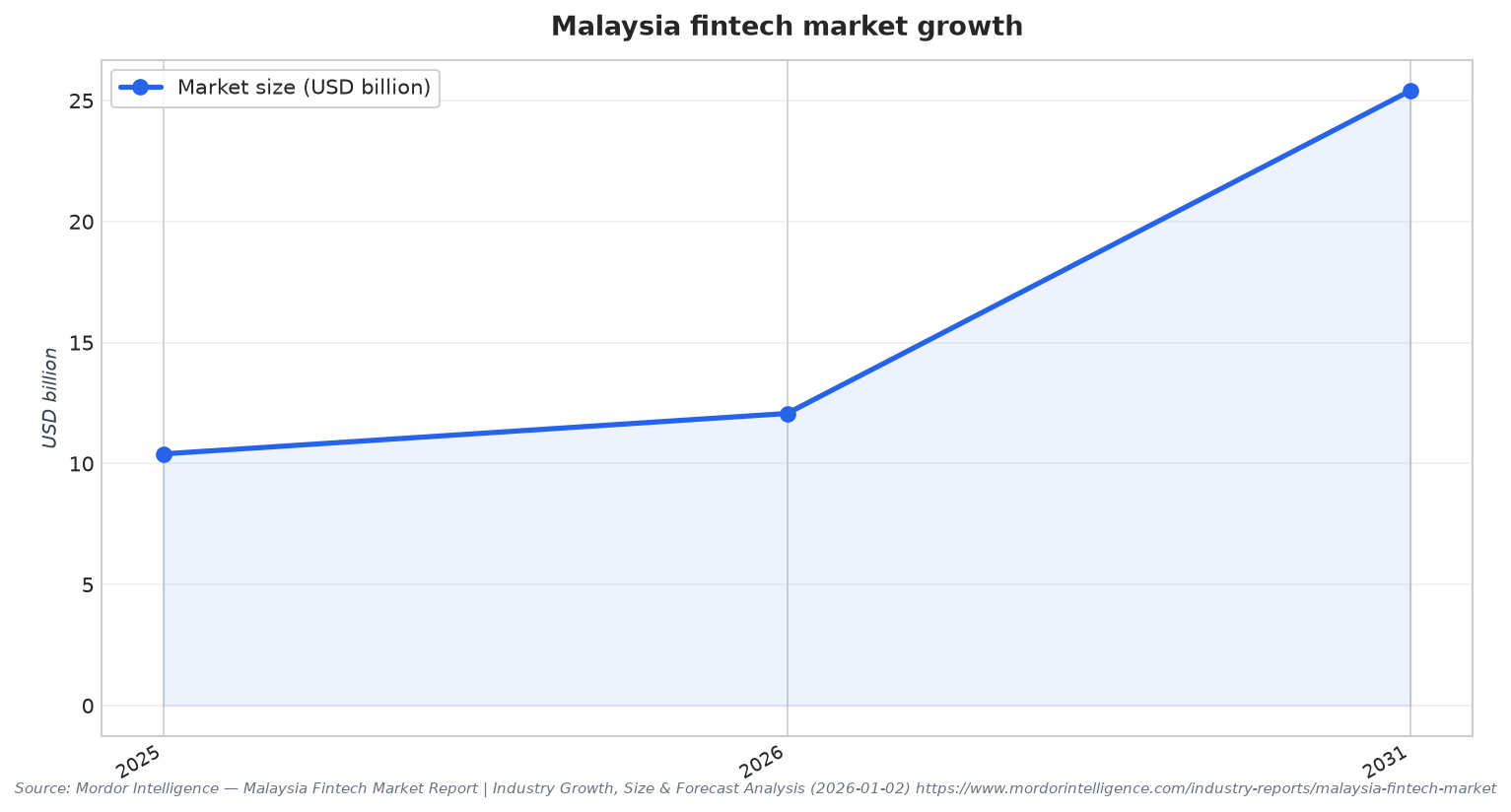
Malaysia’s fintech expansion is creating a stronger foundation for a halal digital economy, where payments, financing, and wealth tools can be designed around Shariah principles. One market report values the Malaysia fintech market at USD 10.40 billion in 2025, and estimates growth from USD 12.07 billion in 2026 to USD 25.41 billion by 2031, at a 16.05% CAGR for 2026–2031. That same report ties growth to Malaysia’s role as Southeast Asia’s Islamic finance hub and to supportive sandbox regulations, with continued licensing of digital banks such as KAF Digital Bank and AEON Bank broadening offerings. This wider fintech base helps halal-first products scale faster because it normalizes digital onboarding, real-time servicing, and compliance-ready analytics.
Within this larger ecosystem, Islamic fintech is still a smaller slice, but it is becoming more visible and more practical for everyday users and halal businesses. Academic research focused on Malaysia’s financial sector describes Islamic FinTech as representing 5% of the market, highlighting progress that blends technical innovation with Sharia rules. The same study notes that Islamic fintech in Malaysia has prioritized empowerment of small and medium-sized firms, the unbank population, marginalized communities, and vulnerable sectors to encourage financial inclusion. It also points to product patterns that fit halal commerce needs, including digital takaful platforms, Shariah-compliant peer-to-peer (P2P) financing, robo-advisors, and blockchain-based halal investment offerings. This mix matters because it links halal growth to real utility, not only branding.
Why Payments and Mobile Adoption Matter for Halal Growth
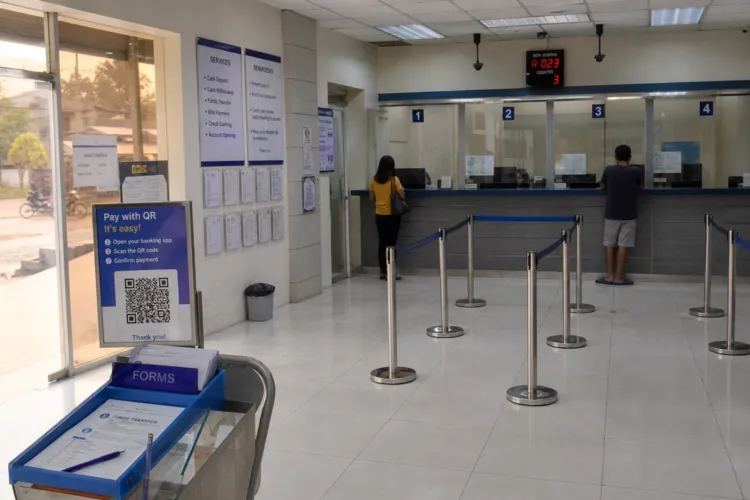
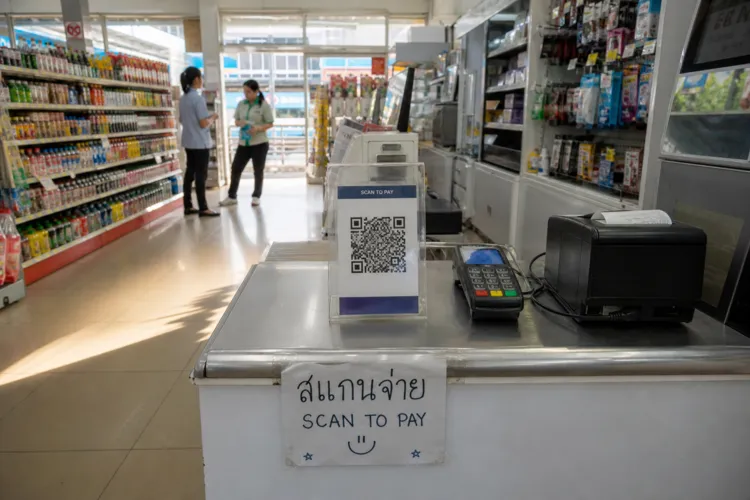
Digital payments are a key connector between consumers and halal merchants, and Malaysia’s usage signals a market that is ready for Shariah-compliant rails at scale. Mordor Intelligence reports digital payments captured 50.72% of Malaysia’s fintech market share in 2025, while mobile apps made up 56.10% of the market’s user interface share in 2025. The same report states Malaysia’s smartphone penetration surpasses 85% and internet connectivity reaches 90% of residents, expanding the digital-ready pool. It also reports e-wallet usage already touches 40%, and notes that cross-border QR payment links with Cambodia and Singapore elevate transaction volumes and position providers for regional expansion. For halal sellers, these rails support cleaner checkout experiences and more transparent transaction records.
The broader Southeast Asia context shows why Malaysia’s halal digital economy is drawing more Shariah-compliant innovation, even as local execution stays decisive. A regional halal-fintech article cites over 240 million Muslims across the region and describes government support for Islamic finance as a driver of Shariah-compliant digital solutions for payments, financing, and cross-border transactions across Malaysia, Indonesia, and Brunei. The same source cites the State of the Global Islamic Economy Report 2024/25, stating global Islamic finance assets reached US$4.93 trillion and are projected to hit US$7.53 trillion by 2028, while the global halal economy was valued at US$7.3 trillion in 2023 and expanded at roughly 5.5% year-on-year. It also says Malaysia ranked #1 globally in the Global Islamic Economy Indicator for 11 consecutive years, reinforcing trust and standard-setting for halal digital trade.
Looking ahead, the Malaysia Islamic fintech market sits at the intersection of inclusion goals, digital banking momentum, and a payments-led consumer shift. Another halal-fintech overview claims Islamic fintech investment exceeded $2.5 billion in 2025 and says the sector has been growing at 25–30% annually, framing the global backdrop for innovation across Muslim-majority markets. In Malaysia specifically, that same source notes Bank Negara Malaysia and the Securities Commission provide licensing frameworks for Islamic fintech, with a regulatory sandbox for innovation. For businesses, the practical takeaway is that Shariah-compliant P2P financing, halal-focused investment tools, and digital takaful can ride on top of a fast-growing national fintech base, turning compliance into an everyday product feature rather than a hurdle.
How large is Malaysia’s fintech market, according to the cited forecast?
What share of the market does Islamic fintech represent in Malaysia?
Which fintech segment leads market share in Malaysia?
What trends in mobile and connectivity support halal digital finance in Malaysia?
How is the Malaysia Islamic fintech market linked to the halal digital economy?