Across Southeast Asia, the bed-capacity conversation is increasingly shaped by a broader mismatch: demand for care is rising faster than public spending and infrastructure buildout. Fortune reports that Southeast Asia is especially exposed to chronic disease pressure, with the World Health Organization estimating non-communicable diseases claim 8.5 million lives annually in the region. At the same time, Fortune notes that Southeast Asian governments allocate less than 4% of GDP to healthcare, compared with 9% in OECD countries. This gap matters for hospitals because bed capacity is physical, capital-intensive, and difficult to add quickly once utilization rises.
That funding gap is also a deal-flow story. Fortune quotes Quadria Capital’s Abrar Mir arguing that 70% of hospital beds in Asia are funded by the private sector, positioning private capital as a practical lever for building social infrastructure when public budgets are constrained. Arches Global repeats the same point and frames the thesis as “demand rising while supply stays under-built.” It also cites BCG expectations that Asia’s healthcare market could reach roughly $5 trillion by 2030 and drive about 40% of global sector growth, while accounting for only 22% of global healthcare spending despite having 60% of the world’s population. For ASEAN operators, that context helps explain why financing models and ownership structures are changing as capacity bottlenecks become harder to ignore.
How Bed Gaps Translate into Equipment and Build Cycles
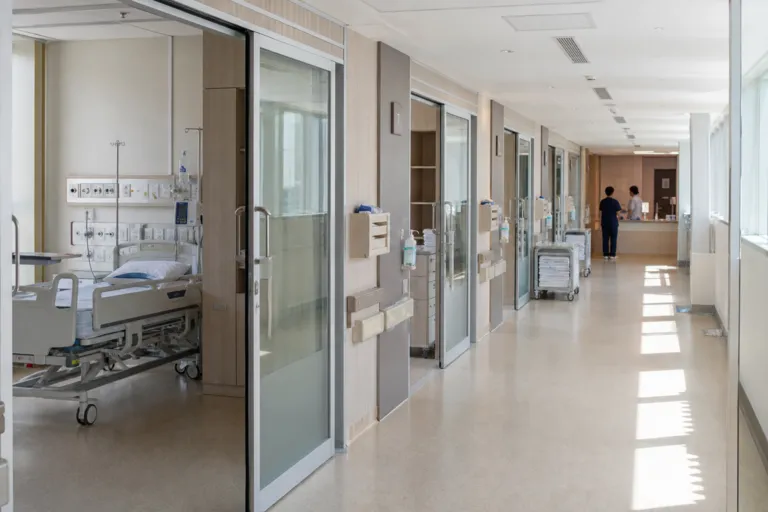
The capacity crunch does not only show up in new buildings. It also drives replacement and upgrade cycles in the bed fleet itself, including electric and connected beds that can improve workflow and patient handling. MarkWide Research notes that electric beds are gaining share as hospitals replace manual systems to reduce nursing strain and improve patient turnover efficiency, and that Southeast Asian governments are expanding bed capacity in aged care facilities, supporting demand for bariatric and pressure-relief configurations. Meanwhile, MRFR describes ASEAN nations deploying multilateral development bank financing to equip new district hospitals. These demand signals pull manufacturers and service providers toward Southeast Asia, including leasing and rental-based, asset-light approaches highlighted by MarkWide Research.
Private investment is also flowing into the broader hospital-bed and medtech ecosystem, which can indirectly support ASEAN capacity expansions through supply availability and innovation. MRFR projects the hospital beds market to grow from USD 4.09 billion in 2025 to USD 7.46 billion by 2035, a 6.2% CAGR for 2025–2035. In the same report, private-equity investment in medtech bed manufacturers exceeded USD 1.8 billion globally between 2023 and 2025. MRFR also notes that connected bed platforms can cost 40–60% more per unit in the U.S. context where reimbursement incentives are tied to patient-safety outcomes, illustrating how policy and payment design can push hospitals toward higher-specification beds.
For ASEAN healthcare leaders focused on the ASEAN Hospital Bed Shortage, the clearest takeaway from the sources is not a single bed-count statistic, but the structure of the response: blended funding, faster procurement, and scalable operating models. Arches Global highlights Indonesia’s dynamic as an example of coverage expanding faster than beds and facilities, noting its JKN insurance scheme covers more than 95% of the population and that this mismatch is drawing regional capital; it also cites Quadria Capital’s involvement with Indonesia’s Hermina Hospitals. Together with the region’s chronic disease burden and constrained public spend cited by Fortune, these signals help explain why private investors keep returning to hospitals, bed procurement, and capacity buildouts as a core infrastructure play.
What is driving the hospital bed crunch across ASEAN and Southeast Asia?
How important is private funding in expanding hospital bed capacity in Asia?
What types of projects are being financed to relieve bed-capacity gaps in ASEAN?
How does the hospital bed market outlook connect to investment momentum?